Tuas Checkpoint Traffic: Navigating the Second Link to Johor Bahru
- Introduction: Understanding Tuas Checkpoint Traffic
- Why the Jams? Unpacking the Causes of Tuas Checkpoint Congestion
- Checking Tuas Checkpoint Traffic: Tools and Tips
- Timing is Everything: Avoiding Peak Hours at Tuas Checkpoint
- Beyond the Car: Alternative Ways to Cross via the Second Link
- My Experience and Tips for a Smoother Journey
- Looking Ahead: What’s Next for Tuas Checkpoint Traffic?
- Conclusion: Mastering Tuas Checkpoint Traffic
Tuas Checkpoint traffic is a daily reality for many travellers heading between Singapore and Johor Bahru via the Second Link. As someone who’s navigated this route countless times for both work and leisure, I can attest to the fact that understanding and anticipating the flow of vehicles here is absolutely crucial for a smoother journey. It’s the less-travelled alternative to the bustling Woodlands Causeway, often preferred by those heading to destinations like Bukit Indah or further north into Malaysia. However, even the Second Link experiences significant congestion, especially during peak periods. This article will delve into the intricacies of Tuas Checkpoint traffic, offering insights and practical tips to help you better plan your cross-border travels.
Why the Jams? Unpacking the Causes of Tuas Checkpoint Congestion
Have you ever been stuck in a standstill at the Tuas Second Link and wondered, “Why is it always like this?” While the sheer volume of travellers is a major factor, it’s a bit more complex than just too many cars. Daily, hundreds of thousands cross the land checkpoints between Singapore and Malaysia, and this number is only expected to grow. During peak periods like long weekends and public holidays, the traffic volume can be immense, with over 1.8 million travellers crossing the land borders during a recent Hari Raya Puasa long weekend.
One significant reason for the congestion at Tuas Checkpoint often stems from delays on the Malaysian side. If their checkpoints can’t clear vehicles quickly enough, it creates a tailback that extends all the way to the Singapore side, impacting clearance times there too. It’s a domino effect, really. Additionally, even minor incidents like a power trip affecting immigration systems can cause significant disruptions and delays, as was the case in 2019.
Beyond infrastructure and system issues, human behaviour also plays a role. Inconsiderate driving, such as queue-cutting and driving in the wrong lanes, exacerbates the problem and is a common frustration among motorists. Despite efforts by authorities like the Immigration and Checkpoints Authority (ICA) and the Traffic Police to manage traffic flow, these actions contribute to the overall congestion.
Checking Tuas Checkpoint Traffic: Tools and Tips
Alright, so we know *why* it gets congested, but how do we know *when* it’s congested? Fortunately, there are several ways to check the real-time Tuas Checkpoint traffic conditions before you even leave your house. My go-to method is usually checking live traffic cameras. Services like OneMotoring by the Land Transport Authority (LTA) provide real-time footage of the checkpoints. Other platforms and apps like Motorist Singapore and Checkpoint.sg also offer live camera views and traffic updates, making it easier to visually assess the situation.
Beyond just looking at cameras, traffic apps like Google Maps and Waze can give you estimated travel times and highlight areas of heavy congestion. These apps are invaluable for getting a sense of the current delays. The ICA also regularly provides updates on the traffic situation, especially during peak periods, via their social media channels. Keeping an eye on these official announcements can save you a lot of time and frustration.
Another tip is to look for crowd-sourced information. Online forums and social media groups dedicated to Singapore-Malaysia travel often have real-time updates from fellow travellers. While not always official, these can provide valuable on-the-ground insights into the current state of Tuas Checkpoint traffic.

This image is a fictional image generated by GlobalTrendHub.
Timing is Everything: Avoiding Peak Hours at Tuas Checkpoint
If there’s one piece of advice I can give about navigating Tuas Checkpoint traffic, it’s this: timing is absolutely everything. Avoiding peak hours is the single most effective strategy for a smoother journey. So, when exactly are these dreaded peak hours? Generally, you can expect heavy congestion during:
- Morning and evening rush hours on weekdays, as commuters travel to and from work.
- Friday evenings, as people head to Malaysia for weekend getaways.
- Sunday afternoons and evenings, when everyone is returning to Singapore.
- Public holidays and long weekends are almost guaranteed to have significant delays, sometimes reaching up to five hours or more.
- School holidays also contribute to increased traffic volume.
Travelling during off-peak hours, such as mid-day on weekdays or very early in the morning, can significantly reduce your waiting time at Tuas Checkpoint. I’ve had trips where I’ve cleared immigration in under 30 minutes by timing my journey right, compared to hours during peak periods. It requires a bit of flexibility, but it’s often well worth it.
Beyond the Car: Alternative Ways to Cross via the Second Link
While driving is a popular option, it’s not the only way to cross via the Second Link, and sometimes, it’s not even the fastest, especially with heavy Tuas Checkpoint traffic. Considering alternative modes of transport can be a smart move to bypass some of the congestion.
Cross-border bus services are a viable option. Several bus operators, like Causeway Link, offer routes that go through Tuas Checkpoint. Taking a bus means you don’t have to worry about driving in traffic yourself, and bus lanes at the checkpoint can sometimes move faster than car lanes.
Another alternative is the train, although the primary train service (KTM Shuttle Tebrau) operates via the Woodlands Causeway. However, looking at the bigger picture of cross-border travel, the train from Woodlands offers a significantly faster immigration clearance process due to separate customs areas. While not directly using the Second Link, it’s a relevant alternative if your final destination in Malaysia is accessible from Johor Bahru Sentral.
My Experience and Tips for a Smoother Journey
Having made the trip through Tuas Checkpoint more times than I can count, I’ve picked up a few things that can make the experience less painful. First and foremost, preparation is key. Always ensure your passport has at least six months of validity remaining. It sounds obvious, but you’d be surprised how many people get caught out by this. If you’re driving, make sure your vehicle complies with Malaysian regulations and that you have a valid Vehicle Entry Permit (VEP) and an active Touch ‘n Go card for tolls.
One thing that has dramatically improved clearance time for me is using the QR code clearance system where available, instead of presenting passports. This can significantly speed up the process for car and motorcycle travellers.
Staying updated on the traffic situation is non-negotiable. Before I leave, I always check the live cameras and traffic apps. If it looks really bad, I’ll seriously consider postponing my trip or using an alternative method if possible. There have been times when I’ve seen estimated waiting times of three to five hours, and for a short trip, that’s simply not worth it.
Finally, patience is a virtue when dealing with Tuas Checkpoint traffic. Congestion is a reality, and getting stressed or frustrated won’t make the queues move any faster. Be patient with the officers and your fellow travellers, and avoid contributing to the problem by trying to cut queues.
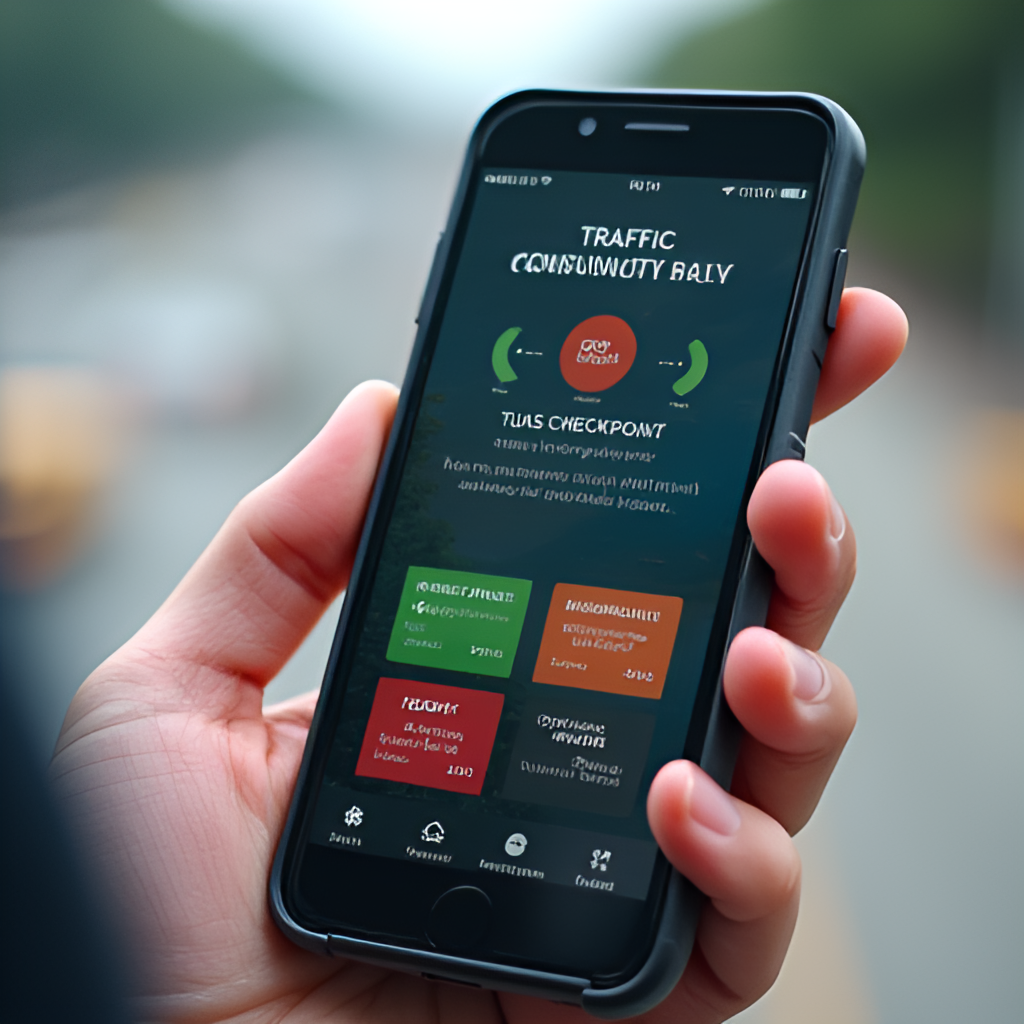
This image is a fictional image generated by GlobalTrendHub.
Looking Ahead: What’s Next for Tuas Checkpoint Traffic?
With the increasing volume of travellers, both Singapore and Malaysia are looking at ways to improve the flow of traffic at their land checkpoints, including the Second Link. While major expansions are planned for the Woodlands Checkpoint to increase its capacity significantly, there are also ongoing efforts to streamline the process at Tuas.
Malaysia has been implementing measures like QR code scanners at entry points and expanding the use of e-gates for eligible travellers to facilitate passport-free travel for certain groups. These technological advancements are aimed at speeding up the immigration clearance process, which in turn can help reduce tailbacks affecting Tuas Checkpoint traffic.
Working closely with Malaysian counterparts is also crucial. The ICA has stated that they will continue to collaborate to improve traffic conditions and traveller experience. While border security remains a top priority and checks cannot be compromised for speed, finding ways to make the process more efficient is an ongoing effort on both sides.
Conclusion: Mastering Tuas Checkpoint Traffic
Navigating Tuas Checkpoint traffic can be challenging, but it doesn’t have to be a complete nightmare. By understanding the causes of congestion, utilising available tools to check real-time conditions, timing your travel strategically, considering alternative transport options, and being prepared, you can significantly improve your experience. As someone who regularly travels this route, I know firsthand the difference these tips can make. While future developments aim to alleviate some of the issues, staying informed and being proactive are currently your best tools for mastering Tuas Checkpoint traffic and ensuring a smoother journey across the Second Link.