The PSP: Sony’s Portable Powerhouse and Its Enduring Legacy
- Introduction: The PSP’s Impact on Handheld Gaming
- A Look Back at the PSP’s History
- PSP Features That Stood Out
- The Games That Defined the PSP
- Collecting the PSP Today: A Renewed Interest
- The Lasting Legacy of the PSP
- The PSP: More Than Just a Handheld
The PSP, or PlayStation Portable, was Sony’s ambitious entry into the handheld gaming market, and it truly made a splash. As someone who spent countless hours with this sleek device in my youth, I can personally attest to its impact. It wasn’t just a gaming console; it was a portable entertainment system that felt futuristic at the time. Launched in Japan in December 2004, North America in March 2005, and PAL regions in September 2005, the PlayStation Portable was Sony’s first handheld console and a direct competitor to the dominant Nintendo DS.
A Look Back at the PSP’s History
Sony announced the development of the PlayStation Portable during E3 2003 and officially unveiled it in May 2004. Its release was highly anticipated, and it quickly became known for its impressive graphics and multimedia capabilities. The original model, the PSP-1000 (often called the “PSP Fat” due to its size), was a robust device for its time.
Over its lifespan, Sony released several iterations of the PSP, each with subtle or significant changes. The PSP-2000 (“Slim & Lite”) in 2007 brought a thinner and lighter design. The PSP-3000, released in 2008, further improved the screen and added a built-in microphone. Perhaps the most adventurous design change came with the PSP Go (N1000) in 2009, which featured a sliding screen that revealed the controls and controversially removed the UMD drive in favor of digital downloads.
Despite the variety in models, the core appeal of the PSP remained its ability to deliver a near-console-quality gaming experience on the go, alongside its multimedia functions. It was a bold move into a market Nintendo had dominated for years, and the PSP managed to carve out a significant fanbase.

This image is a fictional image generated by GlobalTrendHub.
PSP Features That Stood Out
What truly set the PlayStation Portable apart were its technical specifications and features, especially for a handheld device in the mid-2000s. It boasted a widescreen 4.3-inch LCD screen with a resolution of 480×272 pixels, offering vibrant colors. Under the hood, it was powered by a MIPS R4000-based 333-MHz CPU and a graphics sub-system capable of impressive rendering for its size.
The PSP was also notable for being the only handheld console to use an optical disc format, the Universal Media Disc (UMD), for its primary storage medium for both games and movies. While UMDs could be noisy and impact battery life, they offered a tangible physical format that many players appreciated.
Beyond gaming, the PSP functioned as a portable media player, capable of video and audio playback. It had Wi-Fi connectivity (except for the PSP-E1000 model), a USB port, and a Memory Stick slot for expandable storage. The PSP-3000 and PSP Go even included a microphone. These features made the PSP a versatile device for entertainment on the go.
The Games That Defined the PSP
A console’s success ultimately hinges on its game library, and the PlayStation Portable had a strong one. It attracted major franchises, bringing console-like experiences to a portable format. Titles like God of War: Chains of Olympus and God of War: Ghost of Sparta demonstrated the PSP’s graphical prowess and ability to handle action-packed games.
RPG enthusiasts found a lot to love with games such as Shin Megami Tensei: Persona 3 Portable and Final Fantasy Tactics: The War of the Lions, which offered deep and engaging experiences. Racing fans weren’t left out, with titles like Gran Turismo PSP providing a realistic driving simulation.
The PSP also had unique titles that became synonymous with the platform, like the rhythm game Lumines and the quirky strategy series Patapon. Action-adventure fans could enjoy games such as Grand Theft Auto: Liberty City Stories and Vice City Stories, which were technical achievements for the handheld.
There were also interesting source ports developed for the system, like PSP Legacy, which allowed players to experience classic Doom games with added features. My personal favorites included Crisis Core: Final Fantasy VII and Metal Gear Solid: Peace Walker, which felt like full console experiences squeezed into a portable device. The sheer variety and quality of games available contributed significantly to the PlayStation Portable’s popularity.
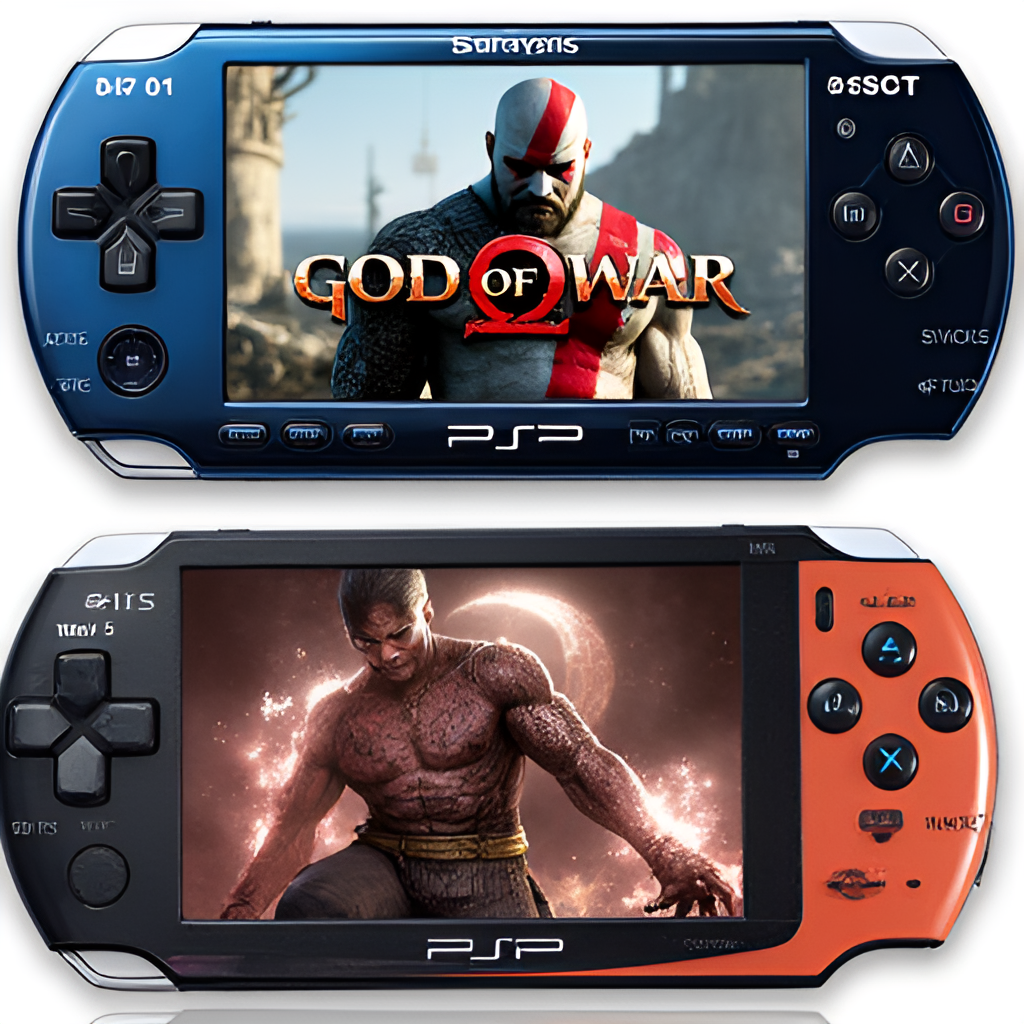
This image is a fictional image generated by GlobalTrendHub.
Collecting the PSP Today: A Renewed Interest
Years after its discontinuation in 2014, the PlayStation Portable has seen a resurgence in interest among collectors and retro gaming enthusiasts. There’s a certain charm to its form factor and the physical UMDs. Rebuilding a lost collection or starting fresh can be a rewarding experience.
Many popular PSP games are still relatively affordable, making it an accessible system for collecting. However, some rarer titles or special editions can fetch higher prices. Exploring online communities, checking out “best of” lists, and visiting local game shops are all great ways to discover titles you might have missed or want to revisit.
Beyond the games themselves, collecting also extends to the various PSP models and accessories. The different spine art on UMD cases can even be a collecting point for some enthusiasts. As someone who enjoys the tactile nature of physical media, building a PSP collection feels like preserving a piece of gaming history.
The Lasting Legacy of the PSP
The legacy of the PlayStation Portable is multifaceted. It proved that there was a market for powerful, multimedia-capable handheld gaming devices beyond Nintendo’s offerings. While its successor, the PlayStation Vita, didn’t achieve the same level of commercial success, the PSP paved the way for portable gaming that aimed for higher fidelity experiences.
Some argue that the competition between the PSP and Nintendo DS pushed both companies to innovate in the handheld space. Furthermore, the PSP’s emphasis on digital distribution through the PlayStation Store was ahead of its time for handhelds and foreshadowed the shift towards digital marketplaces we see today.
Even the more recent PlayStation Portal, a remote player for the PS5, can be seen as a distant relative, continuing Sony’s exploration of portable gaming experiences, albeit with a different approach focused on streaming. The impact of the PlayStation Portable is undeniable, influencing how we think about gaming on the go.
The PSP: More Than Just a Handheld
In conclusion, the PSP, or PlayStation Portable, was a groundbreaking device that offered a compelling blend of gaming and multimedia features. Its powerful hardware for the time, diverse game library, and sleek design made it a beloved console for many. From experiencing epic adventures to enjoying movies and music on the go, the PSP provided a truly portable entertainment experience. As we look back, the PlayStation Portable’s influence on the handheld market and its enduring appeal to collectors solidify its place as a significant piece of gaming history. The PSP wasn’t just a handheld; it was a statement.