Chan Chun Sing Visits SAF: Understanding the Significance
- Introduction to Ministerial Engagements with the SAF
- Why Ministerial Visits to SAF Units Matter
- Key Highlights from Recent SAF Engagements by Chan Chun Sing
- Ensuring SAF Operational Readiness Through Visits
- Connecting with National Servicemen and Regulars
- Defence Technology and Future Preparedness
- A Personal Take on the Impact of These Visits
- Chan Chun Sing Visits SAF: Reinforcing Trust and Preparedness
Chan Chun Sing visits SAF units as part of his role, and honestly, it’s something I’ve always paid attention to. These aren’t just routine photo opportunities; they offer a window into Singapore’s commitment to defence and the readiness of our armed forces. From my perspective, seeing our ministers engage directly with the troops and understand their ground challenges is crucial. It’s about reinforcing the vital link between the nation’s leadership and the men and women who serve, ensuring that the Singapore Armed Forces remains relevant, ready, and resilient in an ever-changing world.
It’s easy to take our peace and security for granted in Singapore. Yet, behind that security blanket is the tireless effort of the Singapore Armed Forces (SAF). When Minister Chan Chun Sing visits SAF facilities, whether it’s a naval base, an air force detachment, or an army camp, it underscores the importance placed on our defence capabilities. These visits serve multiple purposes, from assessing operational readiness to boosting troop morale and understanding the evolving needs of the force.
Why Ministerial Visits to SAF Units Matter
Ministerial visits to military units are a fundamental part of civilian oversight and support for the armed forces. For Minister Chan Chun Sing’s SAF visits, this is particularly pertinent given Singapore’s reliance on a credible defence force for its sovereignty and continued prosperity. Why exactly do these visits carry weight?
Firstly, they provide ministers with firsthand knowledge of the operational environment. You can read all the reports you want in an office, but nothing beats seeing the training, the equipment, and the living conditions up close. It allows for a more informed understanding of the SAF’s capabilities and limitations. Secondly, these engagements send a clear message to the servicemen and women that their efforts are recognised and valued at the highest levels. Imagine being a young full-time National Serviceman (NSF) and having a minister visit your unit, taking the time to talk to you and understand your experience – that’s got to be a significant morale boost, right?
Furthermore, such visits offer an opportunity for feedback loops. Ministers can hear directly from commanders and personnel about challenges they face, whether it’s related to training, welfare, or technological adoption. This ground-up feedback is invaluable for policymakers in ensuring that resources are allocated effectively and policies are aligned with the realities on the ground. It’s a critical part of keeping the SAF agile and responsive.
Key Highlights from Recent SAF Engagements by Chan Chun Sing
Recently, Minister Chan Chun Sing has been actively engaging with different parts of the Singapore Armed Forces. These recent SAF engagements by Chan Chun Sing have covered a range of areas, reflecting the multifaceted nature of Singapore’s defence needs. For example, his visits have included high-readiness units across the Army, Navy, Air Force, and the relatively new Digital and Intelligence Service (DIS).
During these visits, he’s observed various training exercises designed to test the SAF’s preparedness for different scenarios, from counter-terrorism operations on land and sea to air defence threats. Seeing units like the Army Deployment Force (ADF) or the Maritime Security Task Force (MSTF) in action provides concrete evidence of the SAF’s ability to respond swiftly to peacetime contingencies and maritime threats. It’s one thing to hear about capabilities, but seeing the drills, the coordination, and the professionalism firsthand is quite another.

This image is a fictional image generated by GlobalTrendHub.
Minister Chan has also stressed the importance of constant adaptation in the face of new challenges and disruptions caused by technology and evolving geopolitical landscapes. He’s noted that capabilities discussed years ago are now operationalised, and new ones are being developed, giving confidence in the SAF’s ability to confront future scenarios. This forward-looking perspective is vital, especially given the rapid advancements in areas like artificial intelligence and cybersecurity.
Ensuring SAF Operational Readiness Through Visits
Maintaining a high level of operational readiness is paramount for the SAF. Singapore is a small nation in a complex region, and our defence capabilities serve as a crucial deterrent. Ministerial visits play a role in ensuring and highlighting this readiness. By observing training and engaging with personnel, ministers can assess the state of preparedness across different units and services.
These visits often focus on how units are leveraging technology, refining their tactics, and maintaining their equipment. Discussions might revolve around everything from the readiness of Apache helicopters in the RSAF to the capabilities of the RSN’s maritime vessels and the cutting-edge work being done in the DIS. It’s about ensuring that the SAF isn’t just ready for yesterday’s threats, but is actively preparing for tomorrow’s.
The emphasis on “constantly re-examining operations” mentioned by Minister Chan underscores a culture of continuous improvement within the SAF. Visits help reinforce this culture by bringing ministerial attention to innovative training methods, the adoption of smart technologies in camps , and efforts to enhance efficiency and effectiveness across the board.
Connecting with National Servicemen and Regulars
The backbone of the Singapore Armed Forces is its people – the regulars who dedicate their careers to defence and the National Servicemen (NSmen and NSFs) who contribute a significant portion of their young lives to serving the nation. Minister Chan Chun Sing visits SAF units not just to inspect equipment or observe drills, but crucially, to connect with these individuals.
Interacting with servicemen and women on the ground provides invaluable insights into their experiences, welfare, and challenges. These interactions can cover anything from their training regimen and daily life in camp to their concerns about reintegration into civilian life or balancing NS commitments with work and family.
Building strong bonds and boosting morale within the SAF is essential for a credible fighting force. When ministers take the time to listen and engage, it helps foster a sense of shared purpose and reinforces the understanding that the leadership is invested in their well-being and development. My own experience, though not in the military, has shown me how much it means when leaders show genuine interest in the people on the front lines.
This direct engagement also helps bridge the gap between the civilian population and the armed forces. By sharing aspects of these visits publicly, MINDEF helps Singaporeans understand the dedication and sacrifices made by those in uniform, strengthening the crucial support base for National Service and Total Defence.
Defence Technology and Future Preparedness
In today’s world, military capability is increasingly intertwined with technological superiority. Another significant aspect of Chan Chun Sing’s SAF visits is the focus on defence technology and future preparedness. Singapore is heavily invested in leveraging cutting-edge technology, including AI, quantum computing, and cybersecurity, to maintain its defence edge.
During his visits, Minister Chan likely receives briefings on new capabilities being developed or integrated into the SAF. This could involve seeing demonstrations of advanced equipment, visiting facilities focused on digital defence, or discussing the application of AI in areas like intelligence monitoring or operational decision-making.
Initiatives like the Digital and Intelligence Service (DIS) highlight Singapore’s recognition of the digital domain as a critical frontier for defence. Visits to these units underscore the importance of cyber capabilities and intelligence in a modern security landscape.
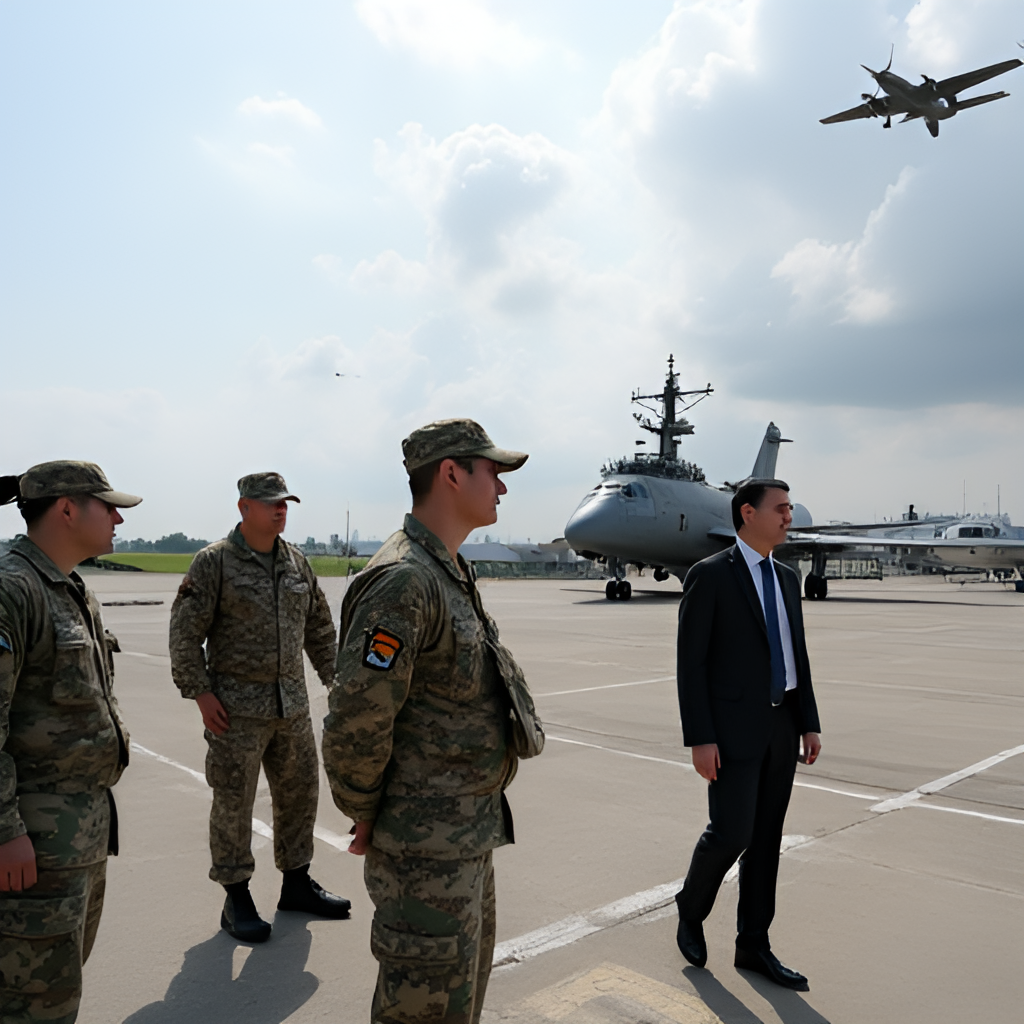
This image is a fictional image generated by GlobalTrendHub.
Singapore’s commitment to defence innovation is clear, with efforts ranging from developing unmanned systems for surveillance to building smart training facilities like SAFTI City designed for realistic urban operations. Ministerial visits shine a spotlight on these advancements, demonstrating the nation’s resolve to invest in the necessary tools to protect itself against future threats.
A Personal Take on the Impact of These Visits
From my vantage point as someone observing Singapore’s defence landscape, the regularity and substance of Chan Chun Sing’s SAF visits are significant. They go beyond ceremonial duties; they are a tangible demonstration of leadership’s commitment to the nation’s defence bedrock. I believe these visits contribute to a stronger SAF in several ways.
Firstly, they reinforce accountability. When ministers are on the ground, commanders and units are naturally motivated to showcase their best, but also to highlight areas needing attention. This dynamic encourages a constant drive for excellence. Secondly, they humanise the defence ecosystem. Seeing ministerial interaction with servicemen reminds the public (and the servicemen themselves) that the SAF is made up of individuals with families, aspirations, and challenges, not just a faceless institution.
Lastly, and perhaps most importantly, these visits contribute to strategic alignment. By understanding the ground realities and future technological needs, ministers can better champion the SAF’s requirements in policy discussions and resource allocation, ensuring that Singapore remains well-defended in the years to come. It’s this blend of political will, strategic vision, and ground-level understanding that makes these engagements so impactful.
Chan Chun Sing Visits SAF: Reinforcing Trust and Preparedness
In conclusion, when Chan Chun Sing visits SAF units, it’s far more than a simple official duty. It’s a critical exercise in leadership, oversight, and engagement that reinforces the trust between Singapore’s political leadership, its armed forces, and the wider population. These visits are integral to ensuring the SAF remains operationally ready, capable of meeting evolving threats, and continues to be a force that Singaporeans can have confidence in. By connecting with servicemen, observing training, and staying abreast of technological advancements, Minister Chan helps ensure that the SAF is well-equipped and motivated to safeguard Singapore’s future.