Singapore Airlines Shrimp Allergy: Navigating Your Journey Safely
- Understanding Singapore Airlines Shrimp Allergy Concerns
- Singapore Airlines’ Policy on Food Allergies
- Requesting Special Meals and the Minimal Allergen Option
- What to Expect Onboard: Flying with a Shrimp Allergy
- Essential Precautions for Travelers with Shrimp Allergy
- Learning from Recent Incidents: Why Vigilance Matters
- Frequently Asked Questions About Shrimp Allergies and SIA
- Ensuring a Safer Journey with Singapore Airlines
Singapore Airlines shrimp allergy is a critical concern for travelers with this specific dietary restriction. Having personally dealt with food allergies while flying, I know how vital it is to understand the policies and procedures airlines have in place. For anyone with a shellfish allergy, especially one as severe as a shrimp allergy, flying can feel like navigating a minefield. It’s not just about avoiding the allergen in your own meal; it’s about the potential for cross-contamination and airborne particles. A key aspect is knowing the SQ shrimp allergy policy and how to best work with the airline to mitigate risks.
Airline travel, while convenient, presents unique challenges for allergy sufferers. Cramped spaces, circulating air, and mass-produced meals can all increase the risk of exposure. Singapore Airlines, a world-renowned carrier, aims to provide a comfortable and safe experience for all passengers, but how do they handle something as serious as a shrimp allergy? This article delves into what you need to know to plan your trip and fly with greater peace of mind, covering everything from requesting special meals to understanding the airline’s limitations.
Understanding Singapore Airlines’ Policy on Food Allergies
When it comes to food allergies, airlines generally have policies in place, though the level of accommodation can vary. Singapore Airlines, like many major carriers, acknowledges the importance of catering to passengers with specific dietary needs. However, it’s crucial to understand their official stance, particularly regarding severe allergies. While they offer a range of special meals, they often state that they cannot guarantee an entirely allergen-free environment onboard. This is a standard disclaimer across the industry, reflecting the complexities of in-flight catering and the reality of shared cabin air and surfaces.
Their website provides information on various dietary requirements, including options for passengers with allergies. They have specific special meal codes that can be requested in advance. For those with a shrimp allergy, understanding which of these meals might be suitable is the first step. It requires careful research and, ideally, direct communication with the airline well before your departure date. I’ve found that proactively contacting the airline is always the best approach when dealing with a significant allergy.
Requesting Special Meals and the Minimal Allergen Option
Singapore Airlines offers a “Minimal Allergen Meal (MAMLA)” designed to be free from several common allergens, including crustaceans like shrimp. This meal is available on all flights departing from Singapore and selected flights arriving into Singapore. Requesting this meal is a key step for managing a Singapore Airlines shrimp allergy. You can typically do this through the “Manage Booking” section on their website after you’ve purchased your ticket. It’s essential to request your special meal within the specified timeframe, which is usually at least 24 hours before departure, though some origins require up to 56 hours notice.
While the MAMLA is designed to exclude shrimp, it’s important to remember the airline’s disclaimer about not being able to guarantee an allergen-free environment. This isn’t meant to dismiss your concerns, but rather to set realistic expectations about the possibilities of cross-contamination during meal preparation or service. For instance, meals containing shrimp may be served on the same flight, and allergens could potentially be present on tray tables or other surfaces. This is why additional personal precautions are always necessary.

This image is a fictional image generated by GlobalTrendHub.
What to Expect Onboard: Flying with a Shrimp Allergy
Once you’ve requested your special meal and boarded your Singapore Airlines flight, what should you expect? First, inform the cabin crew about your shrimp allergy when you board. Don’t assume they’ve been fully briefed just because you ordered a special meal. A polite reminder can help ensure they are aware and can take extra care, such as serving your meal first. Based on personal experience and stories I’ve heard from other travelers, clear communication with the crew is paramount.
Your special meal should be clearly labelled. Always double-check the label to confirm it’s the Minimal Allergen Meal or the specific type you requested. It’s also wise to visually inspect the meal before consuming it. If you have any doubts or concerns about the meal provided, speak up immediately and ask the cabin crew to verify the ingredients or provide an alternative. Don’t feel like you are being a nuisance; your health and safety are the priority. While Singapore Airlines has a process for special meals, recent incidents highlight that errors can sometimes occur .
Beyond your own meal, be mindful of the meals being served around you. While SIA stopped serving peanuts as snacks in 2018, they do serve other nuts like cashews and almonds in some cabins, and passengers may bring their own food containing allergens. The possibility of shrimp being present in other passengers’ meals or snacks exists, though perhaps less prevalent than nuts. Wipe down your seat area, including the tray table and armrests, with antiseptic wipes upon boarding. This simple step can help reduce the risk of contact reactions from residual allergens.
Essential Precautions for Travelers with Shrimp Allergy
Managing a severe allergy like a shrimp allergy on a Singapore Airlines flight goes beyond relying solely on the airline’s provisions. Here are some essential precautions I highly recommend taking:
- Carry Your Medication: Always keep your necessary medication, including antihistamines and epinephrine auto-injectors (like an EpiPen), with you in your carry-on bag. Do not pack them in your checked luggage. Ensure they are easily accessible throughout the flight.
- Doctor’s Letter: Consider carrying a letter from your doctor explaining your allergy, the severity, and the required medication. This can be helpful if you need to administer medication onboard or if there are any questions from the crew or authorities.
- Bring Your Own Snacks: While SIA offers special meals, bringing your own safe snacks is a good backup. Pack enough food for the journey, just in case the special meal isn’t suitable or there’s a mix-up. Choose non-perishable items that are easy to transport.
- Pre-board if Possible: If Singapore Airlines allows pre-boarding for passengers with medical needs (check with them), take advantage of it. This gives you extra time to wipe down your seat area before other passengers board.
- Inform Fellow Travelers: If you are traveling with companions, inform them about your allergy and where your medication is located so they can assist you in an emergency.
- Learn Key Phrases: If flying to a country where English isn’t the primary language, learn how to communicate your allergy in the local language, especially phrases related to “shrimp,” “shellfish,” and “allergic reaction.”
Taking these personal steps empowers you and provides layers of protection, reducing reliance solely on airline procedures which, while helpful, aren’t always foolproof.
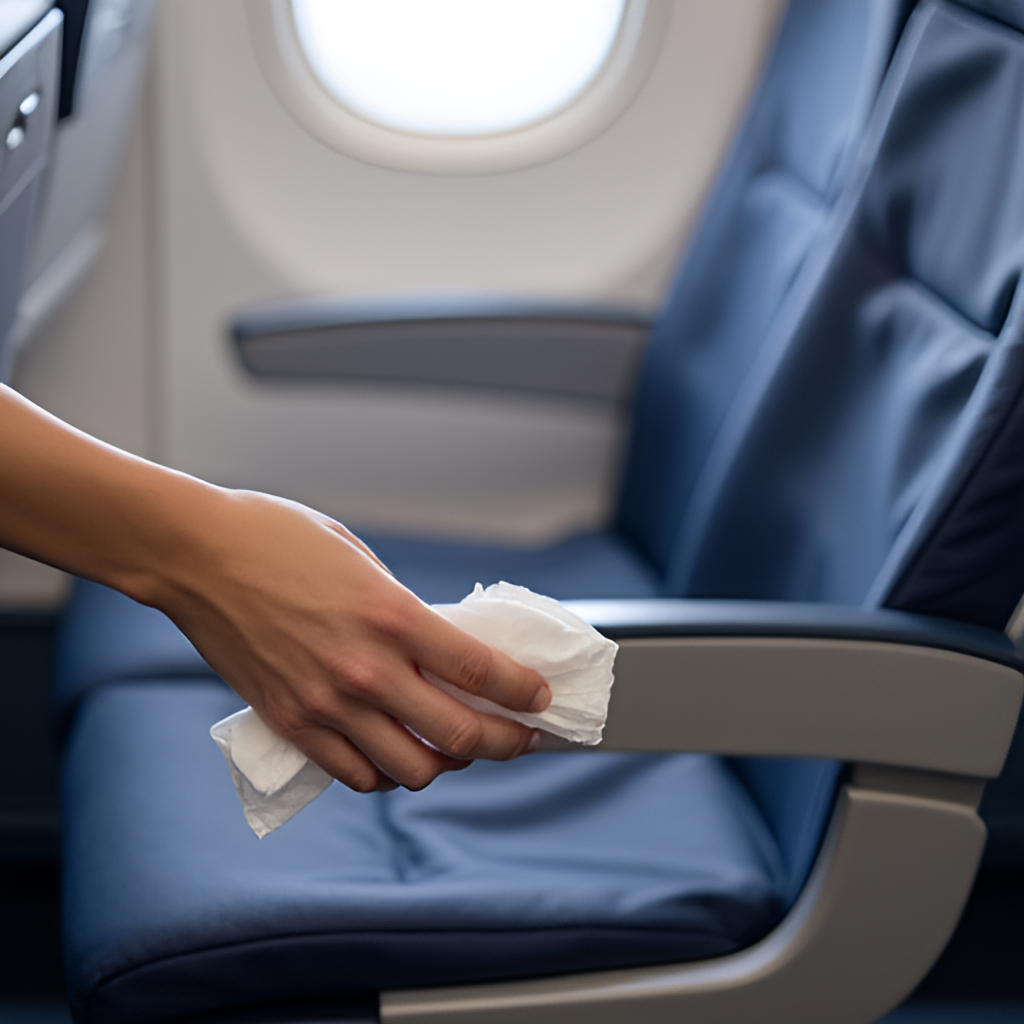
This image is a fictional image generated by GlobalTrendHub.
Learning from Recent Incidents: Why Vigilance Matters
Unfortunately, despite precautions, incidents can still occur. Recent news reports highlighted a lawsuit filed against Singapore Airlines by a passenger who allegedly suffered a severe allergic reaction to shrimp after being served a meal containing it, despite informing the crew of her allergy. This incident, which reportedly led to an emergency landing, is a stark reminder that vigilance is absolutely critical for individuals with severe allergies.
While Singapore Airlines has procedures and special meals like the MAMLA available , human error or lapses in communication can happen in a busy environment like an airplane. The lawsuit alleges the crew was informed but still served the incorrect meal . This underscores why it’s essential for passengers to be their own strongest advocates: verify your meal, double-check with the crew, and have your emergency medication readily accessible. Learning about such incidents, while concerning, reinforces the need for proactive management of your allergy when flying.
Frequently Asked Questions About Shrimp Allergies and SIA
- Does Singapore Airlines offer a guaranteed shrimp-free meal?
- Singapore Airlines offers a Minimal Allergen Meal (MAMLA) designed to be free from common allergens including crustaceans. However, they cannot guarantee an entirely allergen-free environment onboard due to the nature of in-flight catering and shared cabin spaces.
- How far in advance do I need to request a special meal?
- Special meal requests, including the Minimal Allergen Meal, must typically be made at least 24 hours before departure. For some departure points, this window is extended to 56 hours.
- Should I inform the cabin crew about my shrimp allergy?
- Yes, it is highly recommended to inform the cabin crew about your shrimp allergy when you board the flight, even if you have pre-ordered a special meal. This helps ensure they are aware and can exercise caution.
- Can I bring my own food on a Singapore Airlines flight if I have a shrimp allergy?
- Yes, bringing your own safe food is generally permitted and recommended as a backup, especially if you have severe allergies or concerns about the airline meals. Ensure the food complies with security regulations and any destination country customs rules.
- Are epinephrine auto-injectors (EpiPens) required on Singapore Airlines flights?
- While some discussion exists about airlines carrying EpiPens , passengers with severe allergies should always carry their own prescribed auto-injectors and know how to use them. Airline policies on onboard medical equipment vary.
Ensuring a Safer Journey with Singapore Airlines
Traveling with a shrimp allergy requires careful planning and communication, especially on long-haul flights with carriers like Singapore Airlines. While the airline provides special meal options, including one designed to be free of crustaceans, it’s essential to adopt a proactive approach. This means requesting your special meal well in advance, communicating clearly with the cabin crew, and taking personal precautions such as carrying your medication and wipes, and considering bringing your own safe food.
The reality of a shared cabin environment means a 100% allergen-free space cannot be guaranteed by any airline. Therefore, being informed about Singapore Airlines shrimp allergy policies and combining that knowledge with robust personal safety measures is the most effective way to minimise risk and enjoy a smoother, safer journey. Your health is paramount, so always err on the side of caution and be prepared.
Learn more about Singapore Airlines Special Meals. Find general tips for travelling with serious allergies.
Explore more about flying with food allergies. Find information on SQ’s allergy guidelines.